


Recovery
What Does Sober Living Mean in Today’s Recovery Landscape

The conversation surrounding addiction recovery has evolved dramatically over the past decade. Historically, completing an inpatient rehabilitation program was viewed as the final destination of treatment. Once individuals finished their stay, they were often expected to step directly back into their original environment and maintain sobriety on their own. Today, clinical experts recognize that returning…
Read MoreWhat is a Peer Recovery Coach? Understanding Their Role in Recovery

Recovery can feel overwhelming, especially in the early stages when uncertainty, cravings, and life changes all seem to arrive at once. Many people entering treatment or sober living wonder: What is a peer recovery coach, and how can they help make the process more manageable? This article explores the role of peer recovery coaches, how…
Read MoreBenefits of Sober Living Homes: Why Structure Matters

Completing an intensive drug or alcohol rehabilitation program is a monumental achievement. It takes immense emotional energy, vulnerability, and dedication to break the initial cycle of substance dependence. However, the period immediately following discharge is often the most precarious phase of the entire recovery journey. Stepping directly out of a highly monitored clinical setting and…
Read MoreSober Living for Young Adults: A Guided Path Forward

Here at Transcend, we understand the transition from adolescence into adulthood is already filled with significant challenges. Navigating higher education, entering the competitive workforce, and establishing a personal identity can feel overwhelming under the best of circumstances. When you add the burden of recovering from a substance use disorder or managing a mental health condition,…
Read MoreHow Long Do You Stay in Sober Living? A Guide for Families

Families often want a clear move-out date before a loved one enters a recovery residence. A number can make an uncertain period feel easier to organize. It can help with finances, work, school, housing, and expectations at home. The purpose of sober living, however, is not to complete a predetermined number of days. It is…
Read MoreWhat is Sober Living Like and How Coaching Shapes That Experience

When people ask what is sober living like, they are rarely asking only about bedrooms, meals, or location. They want to know how each day feels, how much independence residents have, and what happens when everyday pressures test newly developed recovery skills. Sober living places recovery within the pace of ordinary life. Residents share a…
Read MoreWhy Peer Support Improves Success Rate

Recovery asks people to make changes in the midst of ordinary life. The hardest moments do not always happen in a therapist’s office or a scheduled meeting. They can happen after a stressful workday, during an uncomfortable family dinner, or when old habits begin to feel familiar. Peer support brings another person into those moments.…
Read MoreWhy Mental Health Support Matters

Recovery is often described in terms of stopping substance use. That is important, but it is rarely the whole picture. Thoughts, emotions, sleep, relationships, work pressure, and daily routines all shape how a person moves forward. When mental health needs are overlooked, recovery can feel much harder to sustain. For people managing both substance use…
Read MoreWhat Are the Different Types of Sober Living
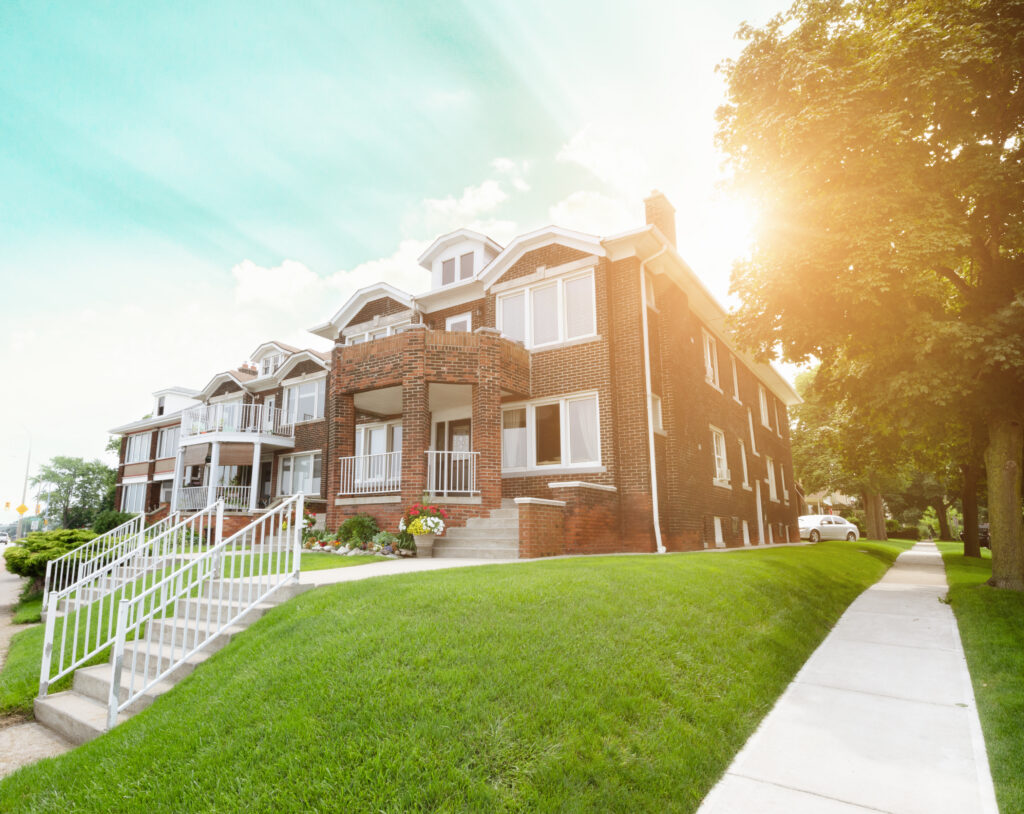
Sober living homes are structured, substance-free residences that support individuals as they transition from intensive treatment or stabilize their recovery in everyday life. While they all share a common purpose, there are different types of sober living environments designed to meet different recovery needs. Some emphasize strict accountability and routine, while others focus on wellness,…
Read MoreHow do Sober Living Houses Work? A Simple Breakdown

Leaving treatment or trying to begin recovery without structure can feel overwhelming. Many people want independence, but returning too quickly to old routines, environments, or social circles can increase stress and relapse risk. Families often struggle too, wondering how to support a loved one without constantly monitoring them. This article answers the question “How do…
Read More