


Private Sober Living. High Support and Discretion
Many men in recovery face an impossible choice between getting the support they need and protecting the life they’ve worked hard to build. The fear of exposure, whether to employers, colleagues, or family, keeps many people from choosing the structured environment that could actually save their lives.
This article explores what private sober living truly looks like, why discretion is inseparable from effective recovery, and how high-support environments help men rebuild stability without sacrificing their privacy.
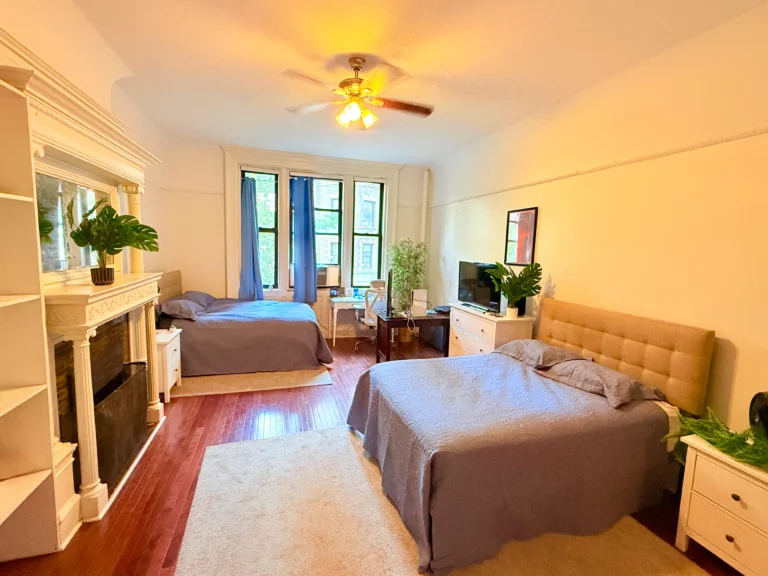
Not all sober living environments are created equal, and in a city as fast-moving and professionally competitive as New York, the stakes around privacy are especially high. Private sober living in NYC operates at a different standard, where confidentiality isn’t an afterthought but a foundational principle built into every layer of the program. The environment is designed to feel less like a facility and more like a high-functioning home, where expectations are clear and personal dignity is protected at every turn.
Men who choose this level of care are often navigating careers, families, and reputations simultaneously, and they deserve a program that respects all of it. Here’s what separates a truly private, high-support sober living experience from the rest of the options available.
Why Privacy Matters in Early Recovery
Early recovery is one of the most vulnerable periods in a person’s life. The emotional exposure, the rebuilding of identity, and the raw work of confronting past behavior all require a safe container. When that container feels exposed, when neighbors, coworkers, or acquaintances might find out, people often hold back, self-censor, or avoid the process entirely.
Private sober living creates conditions where honesty can actually thrive. Residents know their participation is confidential, that their address won’t circulate, and that their recovery is their own business. That sense of security is a clinical necessity that directly influences how deeply someone engages with the work of getting well.
Structure Without Exposure: How Discretion Shapes Healing
Structure is the backbone of any effective recovery program, but structure delivered without discretion can feel punishing. When men know that their routines, check-ins, and accountability measures are handled privately and professionally, they’re more likely to follow through without resentment.
Discreet private sober living programs design their structure around the resident’s dignity, with house meetings that stay internal, staff who communicate carefully, and policies that reinforce boundaries rather than violate them. This kind of environment teaches men that accountability and privacy are not opposites.
High Support Living for Men Rebuilding Stability
Recovery isn’t just about staying sober; it’s about rebuilding an entire life. High-support private sober living gives men the scaffolding they need to do exactly that. From daily check-ins to on-call support staff, from peer community to structured schedules, the support infrastructure exists so that no one has to white-knuckle their way through the early weeks and months.
For men who have lost jobs, strained relationships, or simply lost their footing, this level of support becomes the foundation on which everything else is rebuilt.
Clinical Coordination and Outside Provider Collaboration
Many men entering sober living are also working with therapists, psychiatrists, medication management providers, or outpatient programs. Effective private sober living coordinates with those outside providers rather than competing with them. Staff, such as case managers, communicate with treatment teams, track medication compliance when relevant, and ensure that clinical recommendations are being followed in the home environment.
This kind of seamless coordination means that a resident’s entire care ecosystem is aligned, which helps to reduce gaps, preventing relapse triggers, and ensures the recovery plan developed in treatment doesn’t fall apart the moment someone walks out the door.
Daily Structure That Encourages Accountability Without Pressure
One of the most common reasons men relapse in early recovery is unstructured time. Idle hours create space for cravings, isolation, and old thinking patterns to take hold. A well-designed daily structure fills that space intentionally with morning routines, meeting attendance, meal times, responsibilities within the home, and evening check-ins.
Importantly, this structure should encourage accountability without manufacturing pressure. The goal is to build habits that feel natural, not to create an environment so rigid that residents are counting the days until they leave.
Balancing Independence With Guided Support
One of the unique challenges of sober living, especially for high-functioning men, is finding the right balance between autonomy and oversight. Too much restriction breeds resentment; too little structure creates drift.
The best private sober living programs calibrate this balance based on where each resident is in their recovery. Early on, more guidance and check-ins are appropriate. Over time, as trust is established and skills are demonstrated, independence is gradually extended.
Transitioning From Treatment Into Real-World Responsibility
The gap between inpatient treatment and independent living is where relapse most commonly occurs. Leaving a clinical environment and stepping directly into full responsibility, such as work, relationships, finances, and triggers, without support, is a setup for crisis.
Sober living bridges that gap by providing a supervised, community-based environment where real-world responsibility is reintroduced gradually. Men go back to work, reconnect with family, and navigate the city, all while returning each evening to a structured, sober home.
Life Skills Development in a Low-Profile Setting
Sustained sobriety requires the practical ability to manage a life. Many men arriving at sober living have gaps in areas like financial management, conflict resolution, time management, and self-care.
A low-profile, private sober living environment is the ideal place to develop these skills without embarrassment or outside judgment. Cooking, budgeting, handling conflict with housemates, and maintaining a schedule provide the building blocks of a functioning adult life.
Where Healing Meets Real Life
Recovery is a sustained process that requires the right environment, the right support, and the right level of discretion to truly take hold. Men who choose a structured, accountable, and clinically coordinated path are far more likely to build the kind of life that makes sobriety worth fighting for.
For those ready to make that commitment, private sober living provides the foundation, the community, and the confidentiality that lasting recovery demands.
Take the Next Step Toward a Private, High-Support Recovery
Transcend NYC‘s sober living program was built for men who are serious about recovery and serious about protecting their privacy while they do the work. With clinical coordination, high-support structure, and a discreet environment in New York City, Transcend offers everything a man needs to transition out of treatment and into a stable, sober life.
If you or someone you care about is ready to experience what private sober living at the highest standard looks like, contact Transcend NYC today and take the first step toward lasting change.
